REVERENCE Architecture
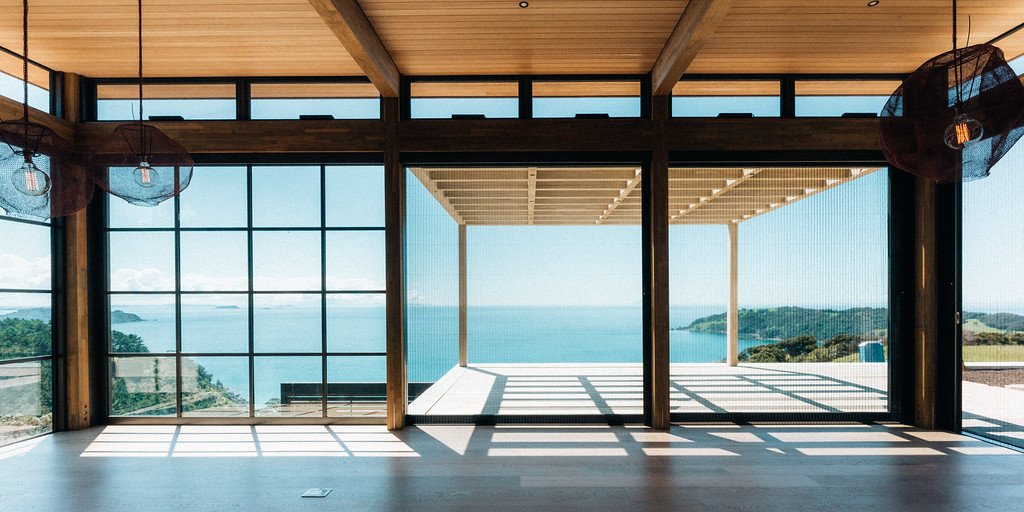
What is Reverence Architecture and how can it be realised?
Reverence Architecture is a natural evolution from regenerative architecture, and brings together the missing facets that enable the complexities, depths and nuances for the potential of people and place to be realised.
Reverence Architecture is a transformative process. It awakens the potential of a place to regenerate, and the people engaged in the process to connect with their own potential and ultimately the place, and for all of life to flourish.
In other words, Reverence Architecture is the creative expression of people and place…A place that emanates beauty and is brought into being through reverence and awe. Weaving the five foundational frameworks of Regenerative practice, Living buildings, Biomimicry, Sacred form and Tikanga Maori helps bring reverence architecture into being.
In a recent work session with Regenesis they helped define why regenerative practice is so important and provided us with this understanding. “Regenerative Development helps grow the evolutionary capacity and the unique value-adding potential of living systems and their places.” To do that requires regenerative frameworks and processes that allow a new way of working and being to exist - both for each person and as a collaboration.
Living Buildings also provides a framework using the 7 petals of a flower which maintains the alignment of the potential of people and place in the forefront of all decision-making and supports us to look beyond the boundaries of the project and into the nested systems of place.
Biomimicry helps us view the project with different lenses - from deepening our understanding of the ecology of place to exploring materials and forms that are aligned to each places unique blueprint. Working with biomimicry, the materials of the future can be adopted. Materials that breathe, that regenerate and heal, that can adapt to the climate and so much more. Our only limitations are our minds.
Intentionally working with bringing sacred form into being through simple connection with the land and the people, energetically holding the intent throughout the project and working from a place of reverence, awe and aroha helps bring connection, transformation and awakening. Places that are intentionally designed and hold a unique blueprint can energetically vibrate this blueprint and help bring into being the intent and potential of place and people.
And learning from the power of Tikanga Maori requires listening quietly to the right process and way that aligns to the blueprint, people and place. It is about Tika, which is about getting the relationships between people, land and spiritual beings right. And also about Pono, which is around acting ethically and with integrity. In simple terms, Tika is doing the right thing, Pono is doing it the right way.
Dancing lightly with these five foundations shifts the focus from making decisions from a place of lack or fear to decisions made with aroha.
Working with all these frameworks makes the process transformative - you cannot create reverence architecture otherwise. To create something alive requires a radical shift in how we design, how we make decisions and how we build. The current sustainable baseline is that the materials used be healthy, non-toxic and carbon neutral, and that the water and energy be net positive. But these are the givens, for the process of creating reverence architecture goes so much deeper. One where deep transformative change not only effects the land it is on and the people who will occupy it, but the process, decisions and actions ripple out to the greater community and ecosystem, creating a co-evolving reciprocity of positive impact. Wow.
Reverence architecture is a journey for all involved, there are no prescriptive guidelines, only the tools and knowledge provided by the foundational frameworks.
Together with this new way of working and our willingness to listen deeply, connect and be open to transformative change, do we have the ability to uncover the potential of a living, purposeful place.